Can You Install a Pre-Filter Outdoors? What You Need to Know Before Winter?

Category: Home Maintenance & Water Quality
Reading Time: 3 minutes
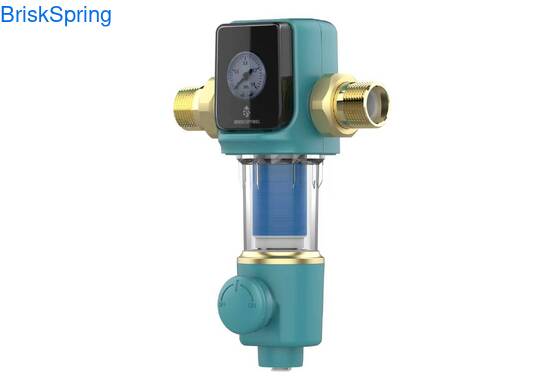
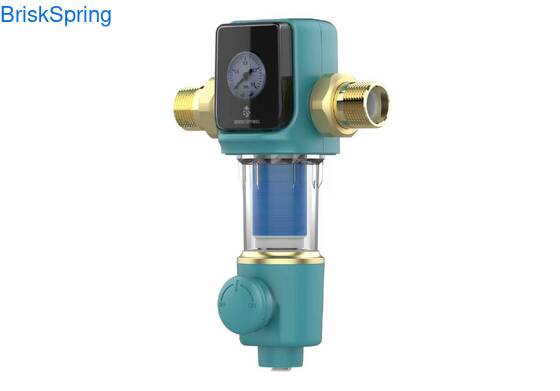
As homeowners, we invest heavily in protecting our family's health, starting with the water we drink and use. A whole-house pre-filter is the ultimate first line of defense against sediment, rust, and impurities. But what happens if your only plumbing option is outside?
It’s a question home improvement experts answer frequently, especially as autumn transitions into freezing winter temperatures: Can your high-performance pre-filter sit directly in the elements?
The Short Answer: It’s Not Recommended
Generally speaking, manufacturers do not recommend installing a pre-filter directly outdoors without adequate protection. This guideline is firmly integrated into user manuals for a very important scientific reason: the unpredictability of extreme weather.
For homeowners living in colder geographical areas—such as northern regions across the United States—winter introduces a severe threat to pressurized plumbing fixtures.
The -30°C Paradox: Antifreeze vs. Cumulative Stress
You might wonder: "Doesn't a premium pre-filter have an advanced frost-resistance rating?" Yes, it absolutely does. Top-tier systems (like ours) are precision-engineered and lab-tested to survive extreme antifreeze conditions down to a staggering -30°C (-22°F).
However, there is a major difference between surviving a lab test and enduring a real-world winter. Outdoor exposure subjects the unit to continuous, cyclical freeze-thaw processes. When water repeatedly freezes, expands, thaws, and contracts inside a confined space, it creates cumulative physical stress. Over time, this natural cycle can degrade the structural durability of even the strongest filter housing, ultimately hindering its long-term performance.
Forced to Go Outdoors? How to Protect Your Investment
We understand that due to specific structural layouts or pre-existing mainline configurations, indoor installation simply isn't an option for some homes. If you must set up your pre-filter system outside, taking the proper precautions will ensure its efficiency and longevity:
-
Deploy an Insulated Protective Enclosure: Never leave the unit bare. Secure it inside a weatherproof, UV-resistant utility box lined with thick foam insulation padding. This creates a regulated micro-climate shielded from wind, snow, and direct sunlight.
-
Insulate Connecting Pipelines: Exposed brass fittings and pipes are vulnerable. Wrap them tightly using high-quality thermal insulation sleeves to maintain stable water temperatures.
-
The Extreme Weather Protocol: When local weather networks forecast a historic blizzard or an unprecedented deep freeze, take a proactive step: temporarily shut off the main water inlet and fully drain the water trapped inside the filter chamber. Eliminating the water removes the risk of ice expansion entirely.
Peace of Mind, Season After Season
A pre-filter is a vital shield for your water softeners, water heaters, and expensive kitchen appliances. By spending just a few minutes weatherproofing your installation today, you ensure uninterrupted purity and exceptional water pressure all year round.


 Your message must be between 20-3,000 characters!
 English